Warning: JavaScript is not enabled or not loaded. Please enable JavaScript for the best experience.

For women and girls in sport

Every woman and girl deserves visibility, investment, and a place to belong in sport

Across Aotearoa, women and girls are redefining what is possible on the field, court, and track. We champion their stories, grow the investment that backs their ambitions, and build inclusive environments where participation and leadership thrive. When women’s sport is seen and supported, communities flourish, confidence rises, and the next generation steps forward with belief and pride.

Added by user manually

Core initiatives

Advancing equity for women and girls in sport

Five focus areas that lift participation, visibility, and leadership across Aotearoa.

Visibility

Amplify women’s sport through media and storytelling.

Investment

Secure fair funding and long-term resources.

Inclusivity

Create welcoming, safe spaces for all women.

Participation

Expand pathways to play, compete, and lead.

Value

Recognize women’s sport as essential to Aotearoa.

Founding Statement

A belief that every woman and girl belongs in sport

The New Zealand Women’s Sports Foundation was created from a simple but powerful belief: women’s sport in Aotearoa deserves to be seen, supported, and celebrated.

Across New Zealand, girls grow up loving sport. They play in school fields, community clubs, and local competitions. But as they grow older, too many begin to disappear from sport. Opportunities shrink, media coverage fades, and role models become harder to see.

Yet when women’s sport is visible, something extraordinary happens. Young girls watch elite athletes compete, lead teams, and represent their communities — and they begin to believe that sport belongs to them too. This is the power of “see it, be it.”

The Foundation was established to help close the gap between potential and opportunity. By championing investment, visibility, inclusion, and participation, we aim to create a sporting landscape where women and girls are supported at every level — from grassroots participation to elite competition.

New Zealand has always been proud of its sporting culture. The next chapter of that story must ensure that women’s sport receives the recognition, resources, and leadership it deserves.

Because when girls can see themselves in sport, they don’t just participate — they lead, they inspire, and they change the future of the game.
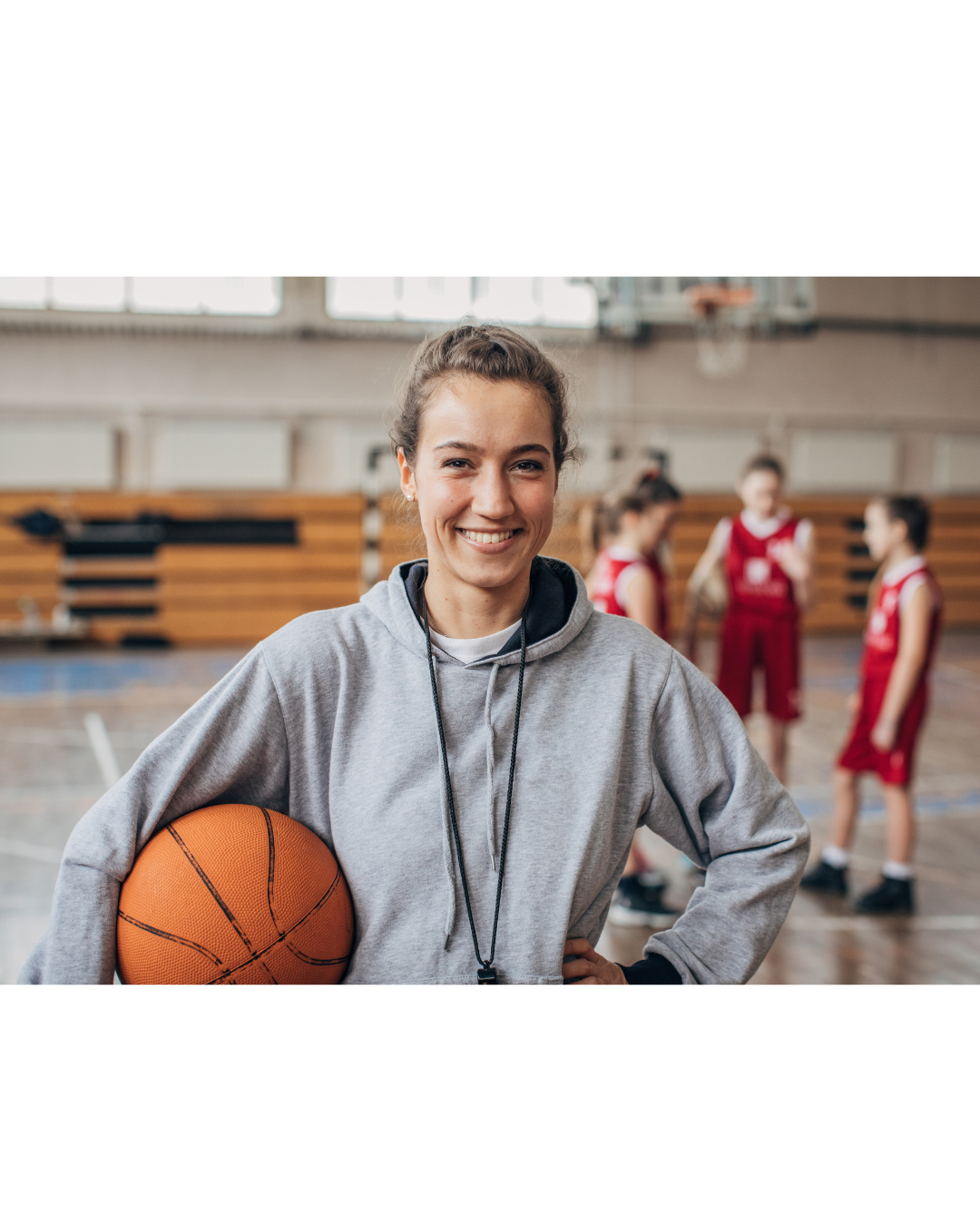
Core Campaigns

Campaigns that build visibility, confidence, and belonging

Three signature campaigns advance equity in women’s sport across Aotearoa—creating access to elite experiences, hands-on skill development, and meaningful mentorship that strengthens community pathways.

See It. Be It. — Visibility Campaign

Objective

Increase visibility of women’s sport, inspire participation, and create opportunities for girls to experience elite sport firsthand.

Core idea

Sponsored trips to women’s sports events for local schools, clubs, and teams, with branded t-shirts, loot bags, and merchandise.

Impact

  • Increased exposure to elite female athletes
  • Boosted interest in participation and retention in sport
  • Strengthened “see it, be it” effect through direct experience
  • Community goodwill and sponsor visibility

She’s Got Game — Skills & Coaching Clinics

Objective

Empower girls through hands-on skill development and coaching, showing that sport is a space where they belong and can excel.

Core idea

Athlete-led skills clinics at schools or major stadiums demonstrating sport fundamentals, teamwork, and leadership.

Impact

  • Enhanced skill development and confidence for participants
  • Increased awareness of sports pathways and inclusion
  • Demonstrates accessibility of sport for all girls, regardless of skill level
  • Builds direct connection between athletes and future participants

Play It Back — Athlete Mentorship & Participation

Objective

Create meaningful athlete-community interactions, allowing elite athletes to mentor, coach, and leave a lasting legacy in local communities.

Core idea

Elite sportswomen participate in clinics or relaxed sessions at clubs or stadiums, demonstrating giving back and helping girls see themselves.

Impact

  • Strengthens athlete role as a community leader and mentor
  • Fosters connection between elite sport and grassroots participation
  • Promotes leadership, confidence, and aspiration in girls
  • Athletes gain new skills in leadership and mentorship
  • Creates a lasting community legacy beyond the athlete’s playing career

Report

The Silent Exit

A Moment We Rarely NoticeAt age 11 she is still playing.She runs onto fields without hesitation.She signs up for teams because her friends are there.She laughs when she misses.She believes she belongs.By age 16, many of these same girls are gone.Not injured.Not untalented.Not unwilling.Just quietly absent.They stop showing up to trainings.They opt out of trials.They say they are "too busy."They sit on the sidelines.For the sport system, this looks like natural attrition.For girls, it can be the loss of one of the most powerful development environments available to them.This is not a participation problem.It is a confidence, design, culture and investment problem.

What We KnowParticipation Decline in Aotearoa New Zealand

Girls are dropping out of sport at approximately twice the rate of boys by age 14.Around 95% of girls aged 11–17 are not achieving recommended daily physical activity levels.By age 17, girls spend around 28% less time being physically active than boys.Sport NZ data shows:• About 98% of young people aged 12–14 participate in sport• This falls to around 89% among 15–17‑year‑olds• Weekly participation time drops by more than four hours across this transitionFrom age 15 onward, girls also reduce the number of activities they participate in by around 29%, compared with 18% for boys.This represents one of the most significant declines in physical activity across the life course.

Why Girls Leave Sport

Confidence Drop-Off

Adolescence brings increased self-awareness and comparison.Girls commonly report:• Fear of judgement• Feeling not skilled enough• Pressure to perform• Reduced enjoymentConfidence is one of the strongest predictors of continued participation.

Puberty, Body Image and Periods

Biological change intersects with sport experience.Participation barriers may include:• Menstrual discomfort or lack of support• Uniform anxiety• Body image concerns• Social visibilityA significant proportion of teenage girls report that their period negatively affects their willingness to participate.Increasing Life PressureSecondary school years introduce competing priorities.Girls frequently cite:• Academic workload• Part‑time work• Social commitments• Lack of friends participating

Sports system Design Factors

Participation environments can unintentionally push girls out.These include:• Early talent selection• High performance pressure• Limited flexible or social formats• Lack of visible female role modelsCost barriersLimited media visibilityWhat Happens When Girls LeaveHealth and Wellbeing Consequences• Reduced physical fitness• Increased sedentary behaviour• Lower mental wellbeing• Loss of lifelong activity habitsConfidence and Leadership ConsequencesSport is a major leadership incubator.Dropout may result in:• Reduced confidence• Reduced resilience development• Reduced leadership opportunities• Loss of belonging and identityConsequences for the Sport SystemWhen girls disengage, the wider system is affected.• Talent pipelines shrink• Future coaches and administrators are lost• Gender inequity is reinforced• Participation audiences reduce• Commercial potential declinesThe Economic and Social Case for InvestmentRetaining girls in sport is not only a participation issue  it is a national development opportunity.Sustained participation contributes to:• Reduced long‑term health system costs• Increased workforce confidence and leadership• Stronger community connection• Expanded high performance pipelines• Greater commercial growth in women’s sportInvestment in girls’ sport is therefore an investment in:health outcomesconfidence outcomeseconomic outcomesand national sporting successThe Critical WindowThe most important intervention period is between ages 13 and 17.This is when:• Puberty• Identity formation• Academic pressure• Social comparison• Confidence shiftsall intersect with sport experience.Targeted support during this window has the greatest potential to influence lifelong participation.NZWSF  A System ResponseThe New Zealand Women’s Sports Foundation exists to help redesign participation environments so girls stay.NZWSF focuses on:• Visibility and representation initiatives• Menstrual participation normalisation campaigns• Confidence‑led coaching approaches• Club and school capability support• Advocacy for equitable investment• Creating flexible participation pathwaysThrough collaboration with partners across sport, education, media and business, NZWSF aims to ensure girls experience sport as a place they belong — not a place they outgrow.

Girls leaving sport is not inevitable.It is a solvable challenge.With thoughtful design, cultural leadership and targeted investment, Aotearoa New Zealand can become a global leader in retaining girls in sport.Keeping girls in sport keeps possibility open.NZWSF is committed to leading this change.

Sponsors

The athletes are ready. The audience is ready. Are we ready to lead?

Structural parity, visibility, and inclusion drive exponential growth, retention, and lasting impact for women and girls in sport across Aotearoa. Every young girl watching, every athlete competing, and every sponsor investing is part of building the future of sport.

Leadership now means committing to equality, inclusion, and visibility for the good of women’s sport, audience growth, and the inspiration of the next generation.

Invest now, lead now, and let’s redefine what women’s sport can be.

Contact [email protected]

We welcome partnerships that champion equity, visibility, and participation.

FAQs

Answers for women and girls in sport

We’re committed to visibility, inclusivity, and participation—making it easier for every woman and girl in Aotearoa to find support, belong, and thrive in sport.

We advance equity, visibility, and participation so every woman and girl feels welcome in sport—from first-time players to elite athletes and leaders.

Our initiatives support girls and women across community, school, and high-performance pathways, with inclusive criteria designed to remove barriers to participation.

We amplify stories, invest in media partnerships, and celebrate achievements so women’s sport is seen, valued, and supported nationwide.

We build inclusive partnerships for coaching, facilities, and local programmes that grow participation and create welcoming environments for women and girls.

Yes. We prioritise equitable access across Aotearoa and work with regional partners to ensure every community has pathways to participate.

Subscribe to updates, share stories, volunteer, or partner with us—every action helps expand visibility and participation for women and girls in sport.